Industry Insight | Factory Automation • Robotics • OEM Machinery
Modern manufacturing is increasingly dependent on the Optical Distance Sensor—a critical technology that improves height detection, alignment accuracy, and precise positioning across automated production lines, robotics, and OEM machinery.
As manufacturing accelerates toward smarter, faster, and more autonomous systems, precise non-contact measurement technologies have become indispensable. Optical ranging devices—often referred to as laser displacement sensors, industrial optical distance-measurement modules, or precision stand-off sensors—now serve as core components in automation, robotics, and high-accuracy machinery.
These sensing technologies provide the positional intelligence required for height monitoring, alignment verification, surface profiling, and high-precision positioning, ensuring modern equipment operates with speed, consistency, and reliability.
This article examines how these advanced measurement systems are transforming six mission-critical areas across today’s industrial ecosystem.
1. Factory Automation and IIoT: Precision for High-Speed Production
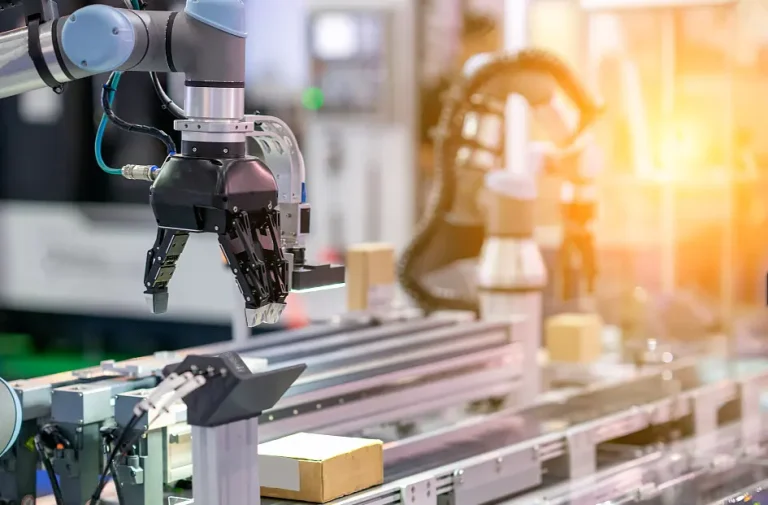
In automated manufacturing environments, reliable real-time measurement is fundamental. Engineers designing factory automation systems rely heavily on optical rangefinders to enhance consistency and reduce process variability.
Key use cases in automated production include:
- Vertical height detection for packaging, filling, sealing, and labeling
- Material presence, spacing, and position tracking on conveyors
- Pallet, tray, and workpiece alignment for robotic handling or pick-and-place units
- Inline dimensional verification during machining or assembly
- Safety-zone monitoring to prevent collisions with moving machinery
Modern optical ranging sensors offer fast sampling rates, high repeatability, and robustness across mixed materials—whether glossy metals, dark plastics, or textured surfaces.
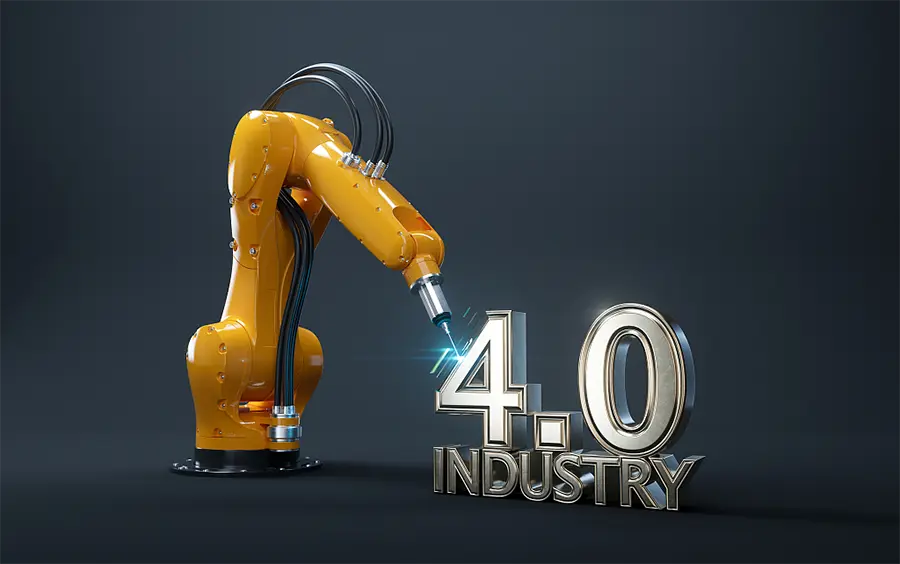
With the rise of IIoT and Industry 4.0, these sensors integrate seamlessly into connected equipment for predictive control and continuous performance monitoring.
2. Robotics and Motion Systems: Enabling Intelligent Spatial Awareness
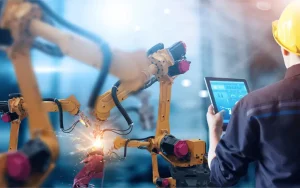
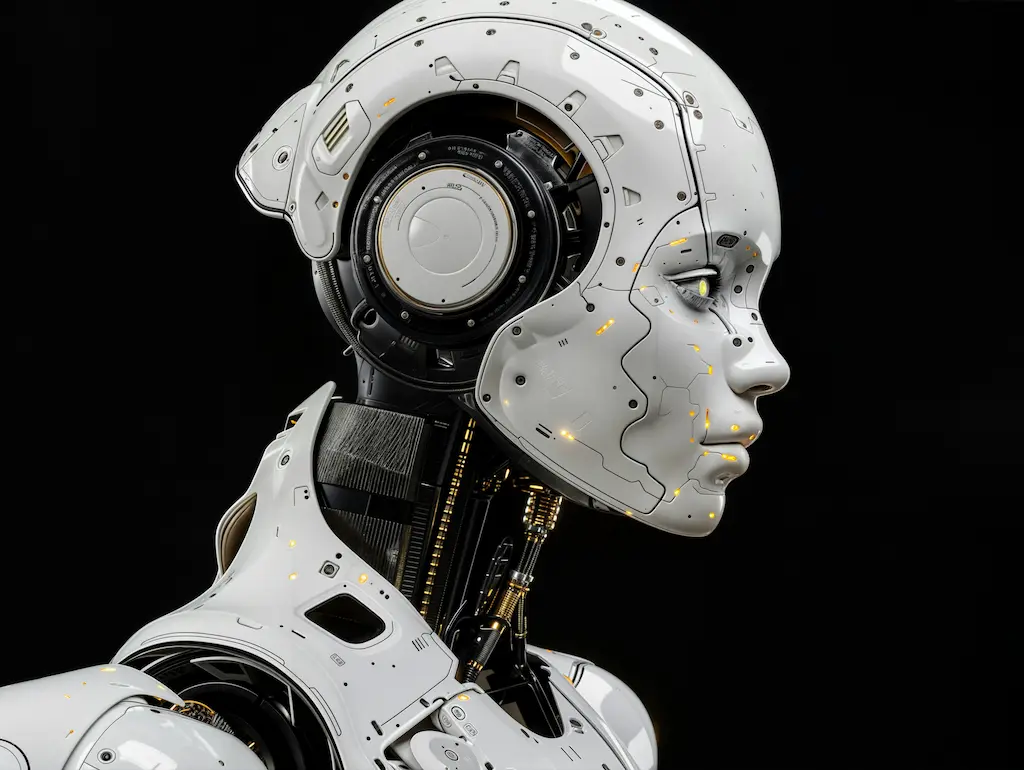
Robotics has become one of the largest adopters of non-contact ranging technologies, from compact ToF modules to long-range laser profilers. Robots depend on distance feedback to navigate, align, and interact safely with their environment.
Applications across robotic platforms include:
- Obstacle detection and avoidance for AGVs and autonomous mobile robots (AMRs)
- Reference distance feedback for cobots during precision assembly
- Tool-to-surface spacing for welding, dispensing, or machining tools
- Docking and charging alignment for mobile robot fleets
- Feedback loops for multi-axis motion controllers
Accurate optical ranging ensures robots achieve smooth, coordinated movement without drift—critical for high-speed robotics in logistics, warehousing, and industrial assembly.
3. OEM Machinery Design: The Hidden Foundation of High-Performance Equipment
Machine builders depend on consistent, rugged sensors that integrate directly into their control architecture. For OEM equipment designers, choosing the right laser-based measurement module is a key step in achieving reliability and certification compliance.
Why OEM engineers adopt optical measurement sensors:
- Compact form factor for small mechanical assemblies
- Strong resistance to vibration, dust, and harsh industrial environments
- Support for industrial protocols such as RS485, RS232, or TTL
- Wear-free, non-contact measurement for long service life
- Sub-millimeter accuracy for high-end automated equipment
Typical OEM machinery leveraging these sensors:
- Automated feeders, sorters, and dispensing systems
- High-speed packaging equipment and palletizing systems
- Inspection machinery requiring precise distance feedback
- Conveyor-based material-handling systems
- Assembly machines requiring tool alignment and part verification
For systems requiring micro-adjustments or precise closed-loop control, optical distance-measurement modules deliver the stability essential to modern OEM platforms.
4. Medical Equipment and Medical Robotics: Accuracy Without Compromise
In medical machinery, precision is not only beneficial—it is mandatory.
From robotic surgical platforms to laboratory automation, laser-based stand-off sensors provide accurate distance feedback without physical contact.
Common applications in medical and laboratory systems:
- Surgical robot positioning requiring high-precision alignment
- Diagnostic device spacing measurement for optical or imaging systems
- Rehabilitation robots tracking patient movement or limb position
- Automated sample-handling systems detecting vial, tray, and plate height
Non-contact measurement ensures sterile operation, high repeatability, and improved safety—factors crucial to medical equipment certification.
5. Manufacturing, Materials, and Additive Technologies
Laser displacement and optical triangulation sensors enable real-time quality validation in both traditional and emerging manufacturing processes.
Applications in advanced manufacturing:
- Build-platform leveling and nozzle-height calibration in 3D printing
- Material thickness control for sheet metal and composite fabrication
- Surface-height mapping during precision machining
- Inline defect detection for materials prone to warping or deformation
- Tool-path alignment and calibration in CNC and laser-processing systems
Their fast response time and non-contact operation make optical sensors well suited to sensitive or high-speed production environments.
6. Quality Control, Testing, and Process Monitoring
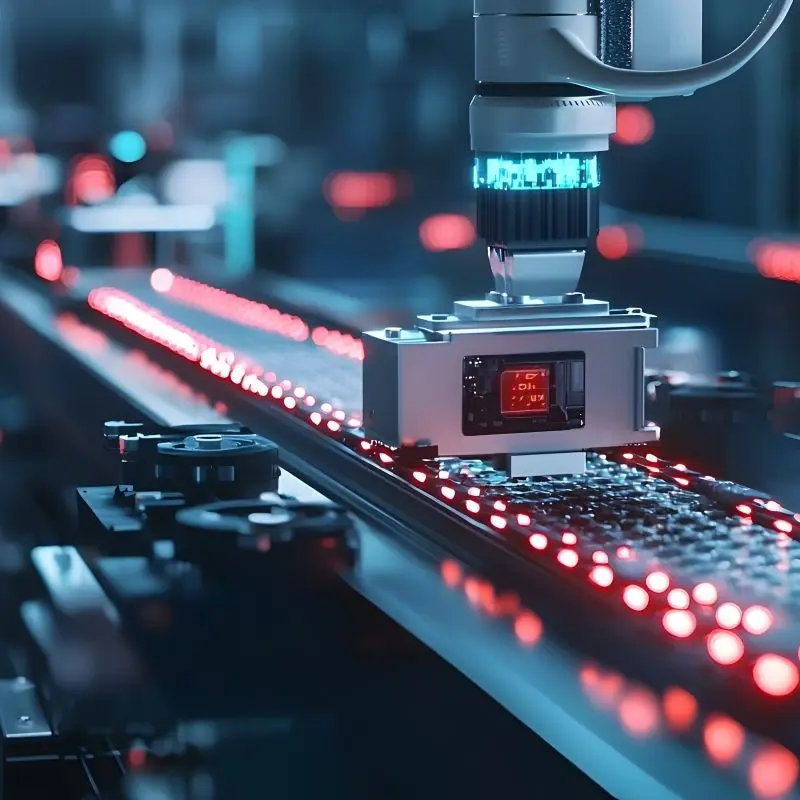
Quality assurance teams increasingly rely on high-resolution laser profiling sensors and optical distance-measurement devices to reduce scrap and maintain production yield.
QA/QC applications include:
- Detecting height or flatness deviations
- Verifying part alignment or assembly accuracy
- Measuring product dimensions with micron-level repeatability
- Monitoring stack height, fill levels, or part orientation
- Ensuring correct positioning prior to machining or assembly
For process monitoring, these sensors support:
- Collision prevention systems
- Safety interlocks and machine zoning
- Predictive maintenance through trend monitoring
This combination of precision and robustness makes them indispensable in modern automated production lines.
Conclusion
Laser-based measurement technologies—whether referred to as optical distance sensors, industrial ranging modules, or non-contact displacement devices—have become foundational to today’s automated machinery.
Across factory automation, robotics, OEM equipment design, medical devices, advanced manufacturing, and quality control, these sensors deliver the height detection, alignment accuracy, and position intelligence required to meet the demands of modern industry.
As factories transition to smart, connected, and autonomous systems, the role of precise optical sensing technology will only continue to expand—driving new innovation and enabling the next generation of high-performance machinery.
Recommended Suppliers of Industrial Measurement & Automation Sensors
As demand for precision measurement technologies continues to grow across automation, robotics, and OEM machinery, many engineers and equipment builders are actively seeking reliable suppliers of optical ranging devices, laser displacement sensors, and non-contact measurement modules.
Below is a curated list of supplier categories frequently referenced by system integrators, factory-automation designers, and robotics engineers.
Suppliers specializing in:
- Laser displacement sensors (triangulation / ToF)
- Optical ranging modules for industrial automation
- High-precision stand-off measurement devices
- Long-range and short-range non-contact distance sensors like Meskernel
These companies typically support industries such as semiconductors, electronics, machining, and smart factories.
Manufacturers offering:
- Height-detection sensors for automated production lines
- Alignment and positioning sensors for conveyors and robotics
- Multi-axis positioning feedback sensors
- Sensors compatible with PLC, RS485, RS232, or EtherCAT systems
Often used in smart manufacturing, material handling, and packaging systems.
Focusing on:
- Navigation and obstacle-detection modules for AGVs/AMRs
- Compact optical rangefinders for collaborative robots
- Tool-positioning and surface-distance sensors
These vendors serve mobile robotics, warehouse automation, and logistics engineering.
Producers providing:
- Customizable measurement modules for equipment builders
- Sensors integrated into inspection, assembly, or packaging machinery
- High-durability sensors for harsh industrial environments
Ideal for machine-tool OEMs, equipment integrators, and automation machinery producers.
Specialized suppliers offering:
- Surface-profile sensors for CNC machining and laser processing
- Sensors for additive manufacturing platform leveling
- Inline QC measurement modules for precision fabrication
Industries include aerospace, automotive, 3D printing, medical equipment, and precision engineering.