The global laser distance sensor market is experiencing steady expansion as industries increasingly rely on non-contact measurement technologies to improve automation, accuracy, and operational efficiency. From industrial manufacturing to robotics and aerial surveying, laser-based distance measurement is becoming a foundational technology across multiple sectors.
Laser distance sensors use optical principles to measure the distance between a sensor and a target object without physical contact. Compared with traditional mechanical or ultrasonic measurement methods, laser-based solutions offer higher precision, faster response times, and greater flexibility in complex or dynamic environments.
Market Definition and Scope
Laser distance sensors are precision measurement devices that calculate distance using laser emission and signal reflection. The most common measurement principles include Time-of-Flight (ToF) and phase shift technologies, each suited to different accuracy, range, and speed requirements.
These sensors are widely adopted in applications requiring real-time feedback, long-range measurement, or high positional accuracy. Typical deployment environments include automated production lines, robotic systems, unmanned platforms, and industrial monitoring installations.
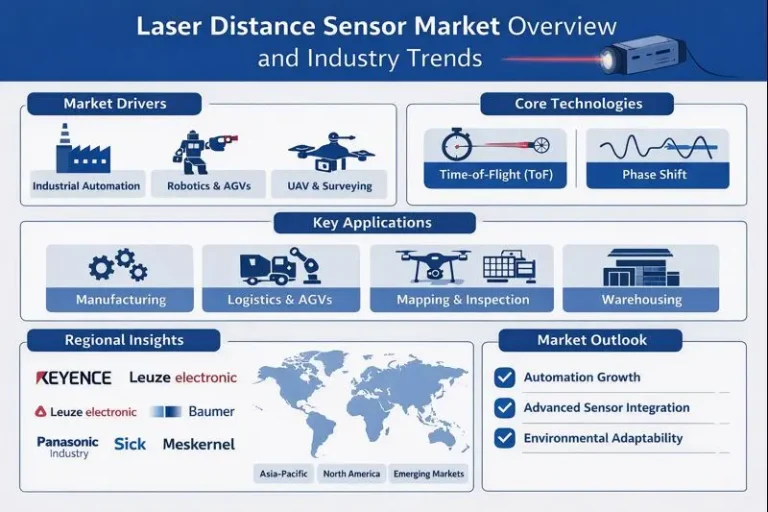
Key Market Drivers
Industrial Automation and Smart Manufacturing
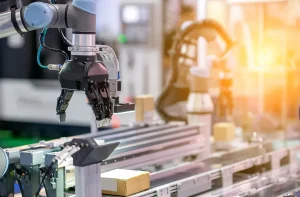
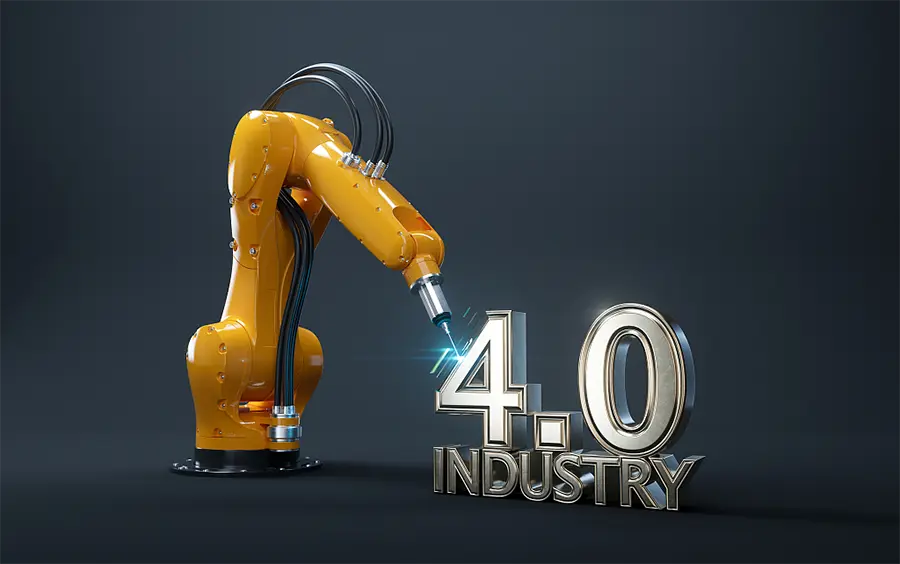
The global push toward smart manufacturing and Industry 4.0 has significantly increased demand for reliable distance measurement. Laser distance sensors are commonly integrated into automation systems for positioning, alignment, dimensional inspection, and closed-loop control. Their ability to deliver consistent measurements without physical contact makes them well suited for high-speed and high-precision industrial environments.
Robotics and Autonomous Systems
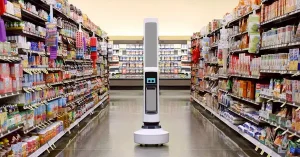
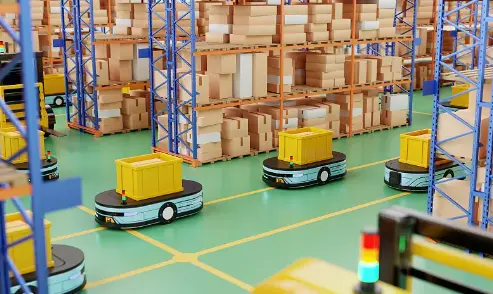
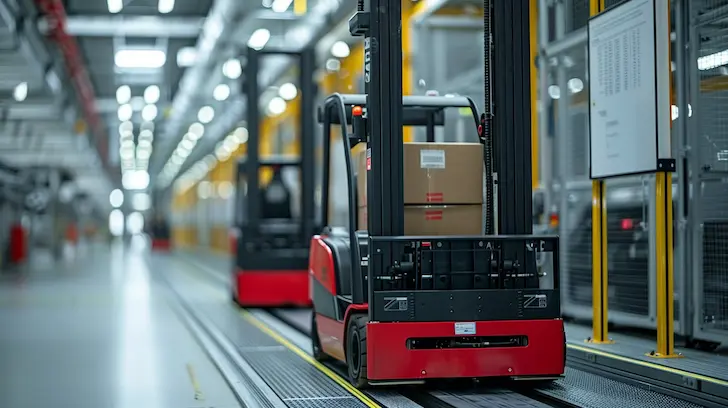
Robots and automated guided vehicles (AGVs) depend on accurate distance feedback for navigation, obstacle detection, and motion control. High-speed laser distance sensors enable real-time response in dynamic environments, supporting safer and more efficient autonomous operation in factories, warehouses, and logistics centers.
UAV and Surveying Applications
Unmanned aerial vehicles and surveying platforms increasingly rely on laser distance measurement for altitude sensing, terrain mapping, and obstacle avoidance. In these applications, long-range capability and environmental robustness are critical factors driving sensor selection.
Core Measurement Technologies
Time-of-Flight (ToF) Technology
Time-of-Flight sensors determine distance by measuring the time taken for a laser pulse to travel to a target and return. This approach is widely used in long-range and outdoor applications where extended measurement distance and fast response are required.
Phase Shift Measurement
Phase shift sensors calculate distance by analyzing the phase difference between emitted and reflected laser signals. This method is known for high accuracy and stability in short to medium-range applications, making it suitable for precision industrial measurement tasks.
Ongoing improvements in optics, signal processing, and sensor miniaturization continue to expand the performance boundaries of both technologies.
Application Landscape
Industrial Automation
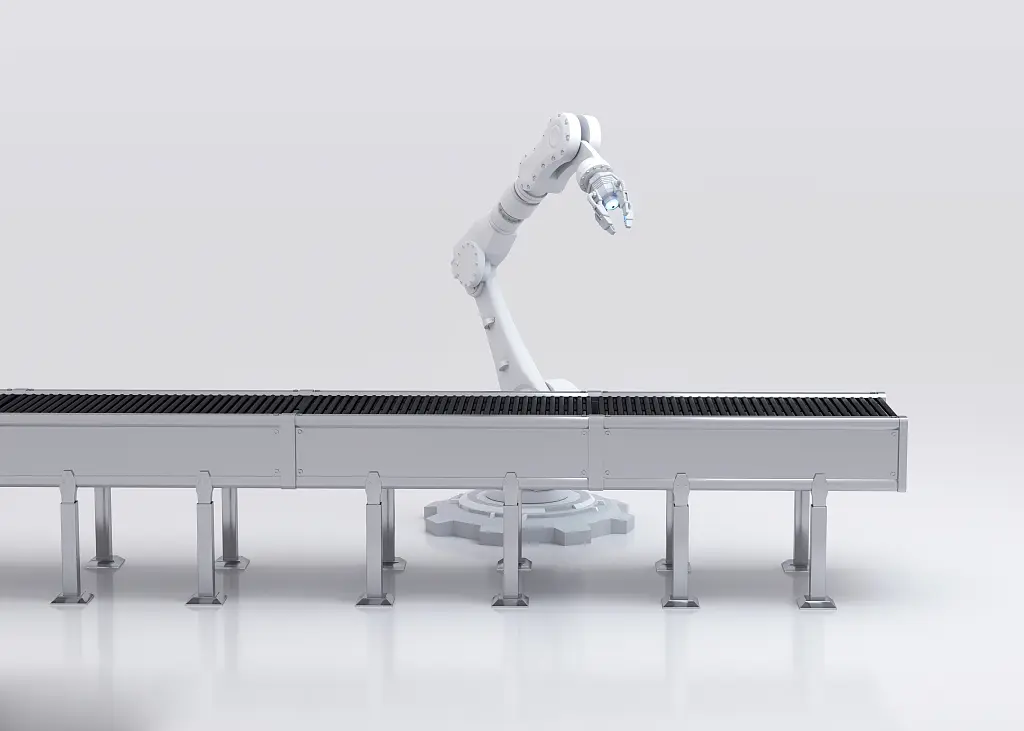
In manufacturing environments, laser distance sensors support tasks such as position monitoring, thickness measurement, and dimensional verification. Their integration into PLC-based systems enables consistent quality control and improved production efficiency.
Robotics & Autonomous Vehicles
High-speed sensors with sampling rates up to 1000 Hz or more enable real-time obstacle detection and navigation for AGVs and autonomous robots, improving safety and efficiency. EIN Presswire
UAV, Mapping, and Infrastructure Monitoring
For aerial and surveying applications, laser distance sensors contribute to accurate mapping, infrastructure inspection, and environmental monitoring. Their non-contact nature and long-range capability make them suitable for challenging outdoor conditions.
Logistics and Warehousing
Automated storage and retrieval systems use laser distance measurement to ensure precise positioning and optimize space utilization, supporting higher throughput and reduced operational errors.


Industry Capabilities and Product Trends
Sensor manufacturers are increasingly focused on delivering compact, OEM-ready laser distance measurement modules that can be easily integrated into existing systems. Common development priorities include improved accuracy, extended range, higher measurement frequency, and compatibility with industrial communication interfaces such as UART, RS-232, and RS-485.
As an example, companies specializing in laser measurement technologies are developing sensor platforms designed to support customization for different application requirements, including measurement range, accuracy level, and environmental resistance. This flexibility is becoming a key differentiator in a market where application diversity continues to grow.
Regional Market Dynamics
Asia-Pacific remains a major growth region due to strong manufacturing activity and rapid adoption of automation technologies. North America and Europe continue to invest heavily in robotics, smart factories, and autonomous systems. Emerging regions are gradually incorporating laser distance measurement solutions into infrastructure development and environmental monitoring projects.
Challenges in the Laser Distance Sensor Market
Despite strong demand, several challenges influence adoption:
- Performance trade-offs between cost and accuracy
- Environmental interference such as dust, rain, and ambient light
- Integration complexity in existing industrial systems
Manufacturers are addressing these challenges through improved optics, signal processing algorithms, and ruggedized sensor designs.
Market Outlook
The laser distance sensor market is expected to maintain stable growth as automation, robotics, and unmanned systems continue to expand across industries. Future development is likely to focus on higher measurement speed, improved environmental adaptability, and greater integration flexibility. As demand for precise, real-time distance data increases, laser-based measurement technologies are positioned to play an increasingly central role in next-generation industrial and autonomous systems.
Industry Expert Insight
“The laser distance sensor market is transitioning from niche measurement applications to becoming a core enabling technology for automation and autonomous systems,” said an industry analyst specializing in industrial sensing technologies. “As manufacturers pursue higher efficiency and smarter production environments, demand for fast, accurate, and non-contact distance measurement continues to increase. The next phase of growth in the laser distance sensor market will be driven by higher measurement speeds, improved performance in challenging environments, and greater flexibility for OEM integration across robotics, logistics, and unmanned platforms.”
FAQ
-
What factors are driving growth in the laser distance sensor market?
Growth in the laser distance sensor market is primarily driven by increasing adoption of automation technologies, the expansion of robotics and autonomous systems, and rising demand for precise measurement in industrial and unmanned applications. Industry 4.0 initiatives and smart manufacturing programs further accelerate market adoption.
-
Which industries are the largest users in the laser distance sensor market?
Key end-use industries in the laser distance sensor market include industrial manufacturing, robotics and AGV systems, logistics and warehousing, UAV and surveying applications, as well as infrastructure monitoring. Each sector relies on laser distance sensors for accuracy, speed, and non-contact measurement capabilities.
-
What technologies dominate the laser distance sensor market?
The laser distance sensor market is mainly supported by Time-of-Flight (ToF) and phase shift measurement technologies. ToF sensors are commonly used for long-range and outdoor applications, while phase shift sensors are preferred in high-precision, short- to medium-range measurement scenarios.
-
What challenges affect the laser distance sensor market?
Challenges within the laser distance sensor market include sensitivity to environmental conditions such as dust, rain, and strong ambient light, as well as cost-performance considerations and system integration complexity. Ongoing technological improvements aim to mitigate these limitations.
-
What is the future outlook for the laser distance sensor market?
The laser distance sensor market is expected to maintain steady growth as automation, robotics, and unmanned systems continue to expand globally. Future developments are likely to focus on higher measurement speed, improved environmental adaptability, and greater integration flexibility across industrial platforms.
Industry Landscape: Representative Companies in the Laser Distance Sensor Market
The laser distance sensor market is characterized by a mix of established industrial technology groups and specialized sensing solution providers. These companies contribute to market development through continuous innovation in accuracy, speed, and integration capability.
Representative participants in the laser distance sensor market include:
- Keyence – Known for high-precision industrial measurement and automation-focused sensing solutions
- Meskernel – Focuses on laser distance measurement solutions for industrial automation, robotics, and OEM integration, with an emphasis on compact design and application-specific customization
- SICK AG – A global supplier of industrial sensors for automation, safety, and logistics
- Leuze Electronic – Specializes in optical sensors for industrial automation applications
- Baumer Group – Provides industrial sensing and measurement solutions across multiple sectors
- Panasonic Industry – Offers compact sensing solutions for factory automation and electronics manufacturing
- ifm electronic – Focuses on industrial sensors and system integration for automation environments
These companies represent different technological approaches and application focuses within the laser distance sensor market, reflecting the diversity and maturity of the industry.